First Responders Credit Training for Saving Lives in Florida State University Shooting Response
TALLAHASSEE, FL — First responders and hospital staff are crediting years of specialized training and coordinated emergency planning for saving lives during the Florida State University shooting on April 17, 2025, which left two people dead and several others injured.
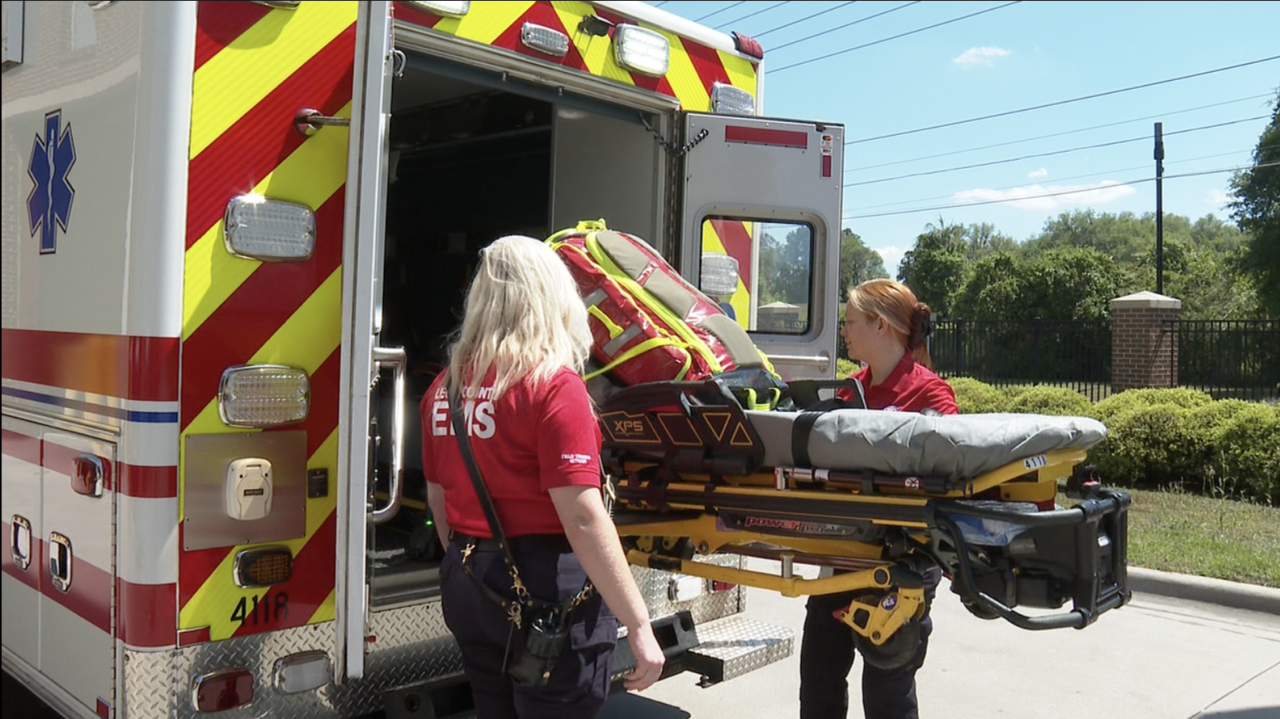
Leon County EMS Chief Chad Abrams said the day began like any other before emergency calls confirmed an active shooting on campus. Within minutes, multiple EMS units were dispatched, with 14 ambulances arriving on scene rapidly to begin triage and emergency care.
“We had units on scene in under a minute,” Abrams said, noting that responders quickly established casualty collection points and deployed rescue task forces to safely reach injured victims in active areas.
Nearly 70 first responders worked together to transport patients to Tallahassee Memorial Healthcare, where trauma teams were already preparing for a mass casualty event. Hospital staff immediately halted elective procedures, cleared operating rooms, and mobilized surgical teams to receive incoming patients.
Trauma surgeon Dr. Matthew Ramseyer said the hospital’s structured response ensured that every team member had a defined role, allowing for fast, organized treatment of victims. By the end of the day, six patients had been treated at the hospital, and all survived.
Medical leaders emphasized that routine mass casualty drills and years of training were key to the effective response. Abrams noted that existing protocols required only minor adjustments afterward, reflecting the strength of established emergency systems.
While officials praised the operational success, they also acknowledged the emotional toll on responders, many of whom had personal ties to Florida State University.
Following the incident, both EMS and hospital leadership highlighted the importance of continued preparedness, emphasizing that coordinated response systems remain essential for handling large-scale emergencies in the community.
Authorities say the focus now is on refining communication and maintaining readiness for future critical incidents.